
Introducing the Psychology of Unstoppable
Jan 01, 2026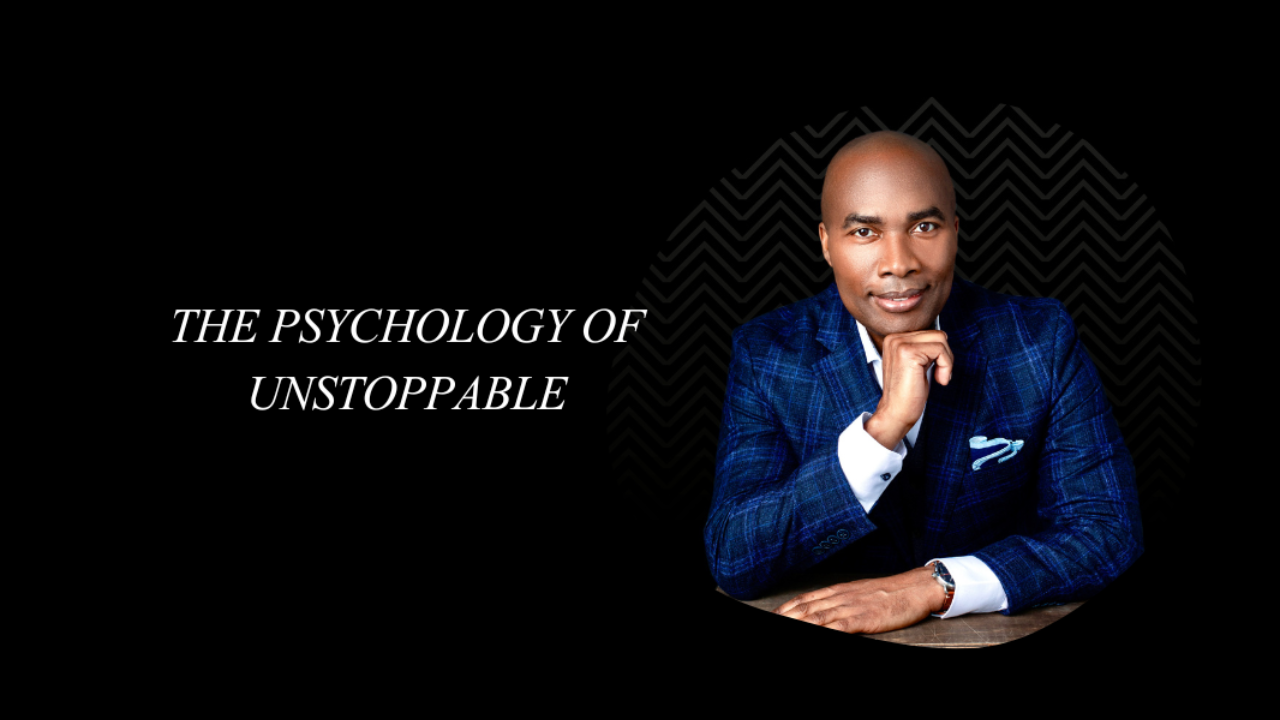
Early in 2025, after more than two decades of working with high-achieving professionals, I began to notice a consistent pattern. Many of the individuals I worked with were successful on the outside, accomplished, driven, and respected in their fields. They carried significant responsibility and were often relied upon by others. Yet internally, many were operating under constant pressure. Their performance remained high, but their clarity, energy, and sense of fulfillment were quietly eroding. They weren’t failing. They were functioning and sustained solely by discipline and willpower. It was through this work that I developed a framework I call “The Psychology of Unstoppable.”
The Hidden Problem Behind High Performance
High-achieving professionals don’t usually break down dramatically. More often, they plateau. Motivation becomes inconsistent. Focus feels scattered. What once felt meaningful begins to feel heavy. In response, many push harder, work longer hours, exercise tighter control, and face greater pressure, believing that more discipline will restore momentum. But discipline without psychological sustainability eventually creates friction. The issue is not a lack of ambition, drive, or work ethic. It is the absence of a psychological framework that supports sustained performance under pressure.
What Makes The Psychology of Unstoppable Different
The Psychology of Unstoppable is not about hype, grit, or motivational intensity. It does not rely on positive thinking or force-based performance. Instead, it focuses on the internal drivers that allow high-performing individuals to operate with clarity, regulate pressure effectively, and execute intentionally even in demanding environments. This work recognizes that performance is not just behavioral. It is psychological, emotional, and identity-based.
A Framework for Sustainable Excellence
At its core, The Psychology of Unstoppable integrates mindset, identity, emotional regulation, and intentional execution. It addresses how people relate to pressure, how they recover from sustained demand, how they make decisions under stress, and how they align performance with meaning rather than exhaustion. Today, this framework underpins my keynote work, coaching programs, and leadership development for high-achieving professionals who want to perform at their best without sacrificing fulfillment, health, or identity.
Take-away
Becoming unstoppable is not about doing more or pushing harder. It is about developing the internal capacity to meet pressure with clarity, respond to challenges with intention, and perform from alignment rather than depletion. That is the foundation of The Psychology of Unstoppable.
